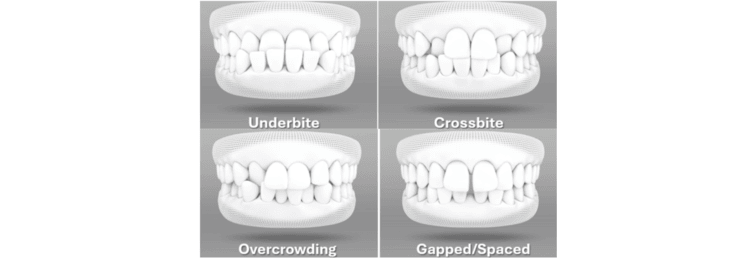


For years, orthodontic treatment was commonly believed to be best started during the early teenage years, once most permanent tooth had erupted. However, recent advances in dental science are challenging this norm. New clinical studies have highlighted benefits of early orthodontic evaluation and intervention for some malocclusion cases, from guiding proper jaw growth1 to better skeletal changes2 making treatment more effective reducing the need for extensive treatment later3. This early stage is often referred to as the “golden period” typically around age 7 when the first permanent teeth start to emerge.
During this phase, the dental and skeletal structures are in a dynamic state of transition, presenting both opportunities and challenges for orthodontic intervention. Mixed dentition is characterized by the presence of a combination of primary and permanent teeth, and this transitional stage lays the foundation for the child’s future occlusion and overall oral health.