Clear Aligners: A Comprehensive Guide to Invisible Braces

Planning to start your smile journey? Congratulations! You’ve taken the first step towards becoming the best version of yourself with a confident and beautiful smile. Let’s help you get started on this exciting orthodontic journey!

We're going to tell you everything you need to know about clear aligners so you can make the best decision for your smile, improving your oral health1, bite, confidence, and enjoying all the benefits of straighter teeth!

What are clear aligners?

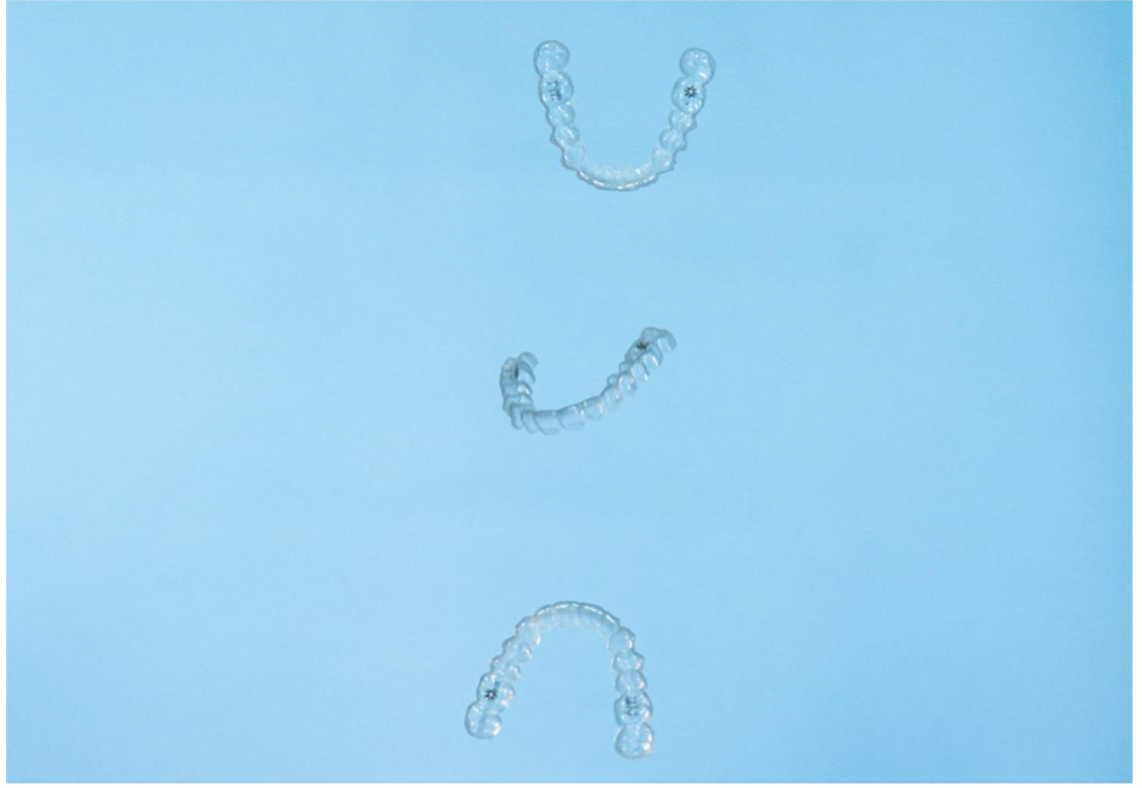
Clear aligners are a form of orthodontic treatment that uses a series of clear plastic trays to gradually move your teeth into the desired position2. As they are made of clear plastic, they are virtually invisible hence much less noticeable than metal braces, making them a popular choice for adults and teens who want to straighten their teeth without anyone knowing. Invisible braces! Clear aligners can also be more comfortable3 than traditional braces. And because you can remove them for eating, drinking, and brushing your teeth, you don't have to worry about food getting stuck in your braces or brackets irritating your mouth or gums4.

Types of Clear Aligners: Doctor-Directed vs Direct-to-Consumer

Clear aligners are generally sorted into two categories, direct-to-consumer and doctor-directed.

Direct-to-consumer clear aligners offer teeth straightening solution from the comfort of home without the need for in-person dental visits. While it may be more affordable, these mail-to order aligners typically rely on patients to do self-impressions of their teeth and mail back to the company to fabricate their aligners whilst treatment is monitored remotely via the App. Hence, it can pose risk to your dental health, as underlying dental or gum issues may be missed.

Choosing clear aligners for your orthodontic treatment requires careful consideration, it is after all a medical treatment and shall require a doctor or orthodontist to advise if it is the right choice since there are many factors to determine if one is suitable for clear aligners.

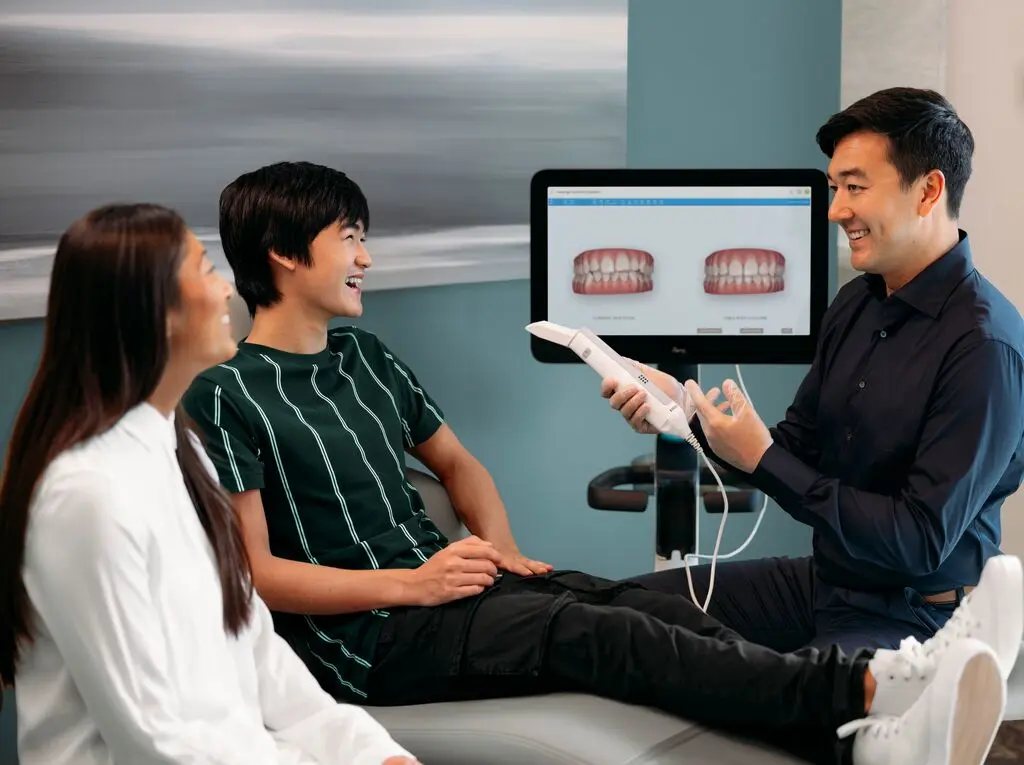
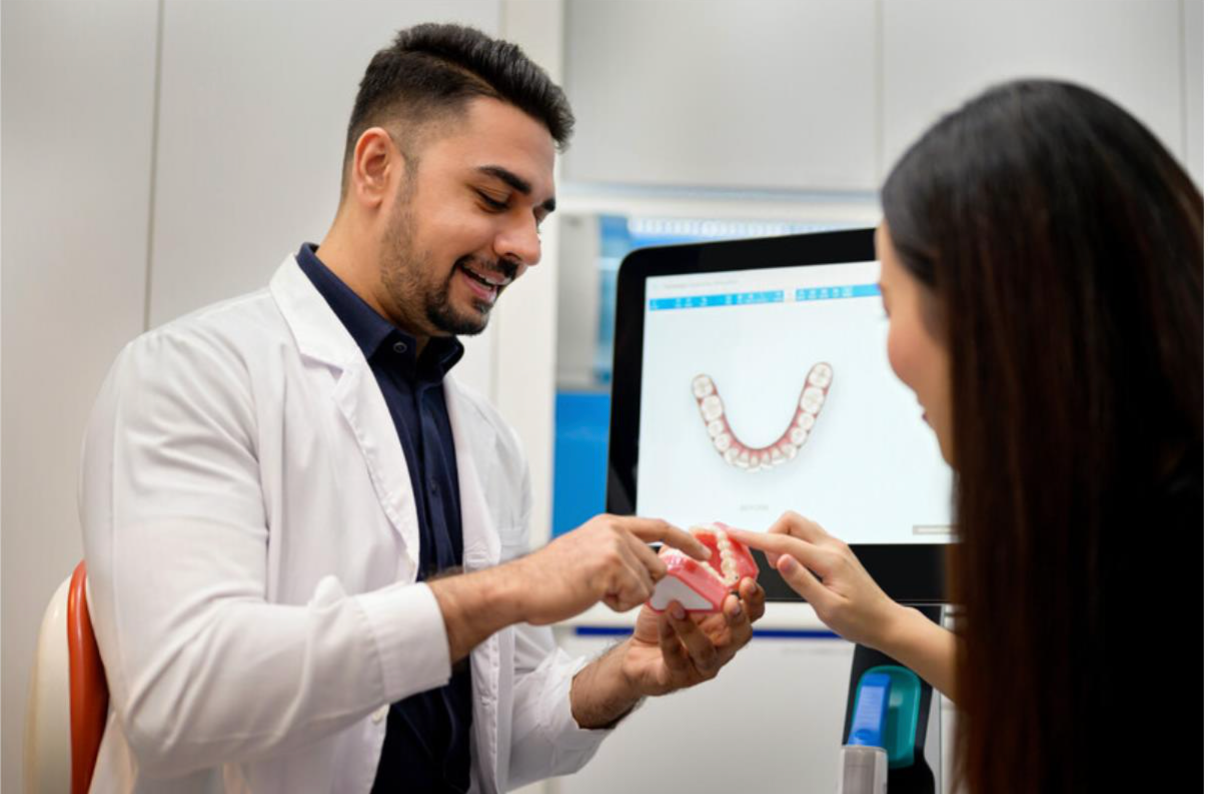
Doctor-directed clear aligners, such as Invisalign on the other hand, requires an initial in-person consultation performed in the clinic where the dentist would assess your dental health condition such as type of malocclusion, gum health, presence of cavities, root health, bone support, and more, to decide if you are suitable for clear aligners. For most clinics in Singapore offering Invisalign^, an intraoral scan# is often done with our scanners which provides a 3D impression of your teeth allowing doctors to plan your treatment and preview how your smile looks at the end of the treatment.

^depends on availability of the iTero intraoral scanner at the clinic.
#Some clinics offering Invisalign, are also equipped with our 5D scanners that can also detect dental caries that are not yet visible on x-rays

Once the treatment plan is approved, the aligners are then fabricated and prescribed. On your next visit to the doctor, you will receive your aligners and learn how to properly wear and remove, learn care tips and receive instructions on how long to wear each aligner before switching sets. During the treatment, in cases where the aligners do not fit, you would have to reach out to your dentist or the customer service team (depending on the brand you pick) for refinement of your aligner. This would be dependent on your discipline of wearing the aligners and also on the material that your clear aligners is manufactured from.

What are clear aligners made of?

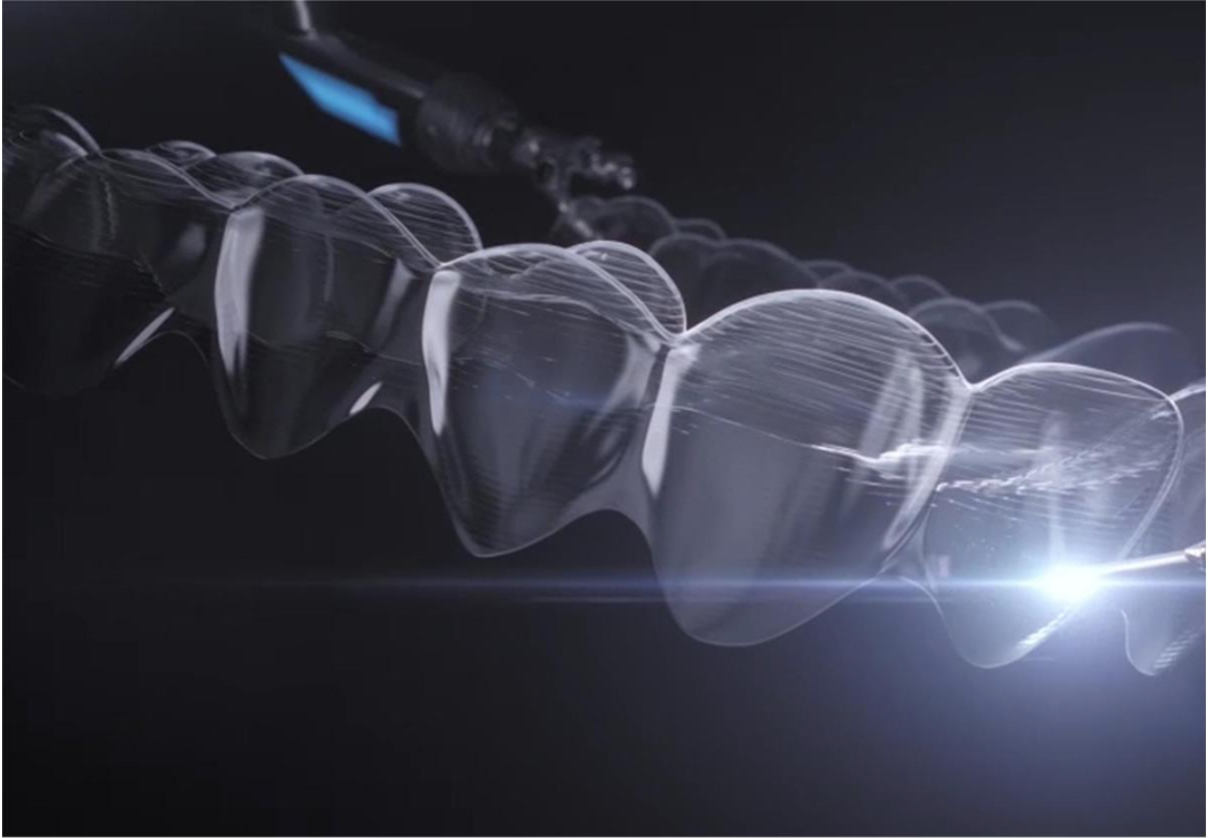
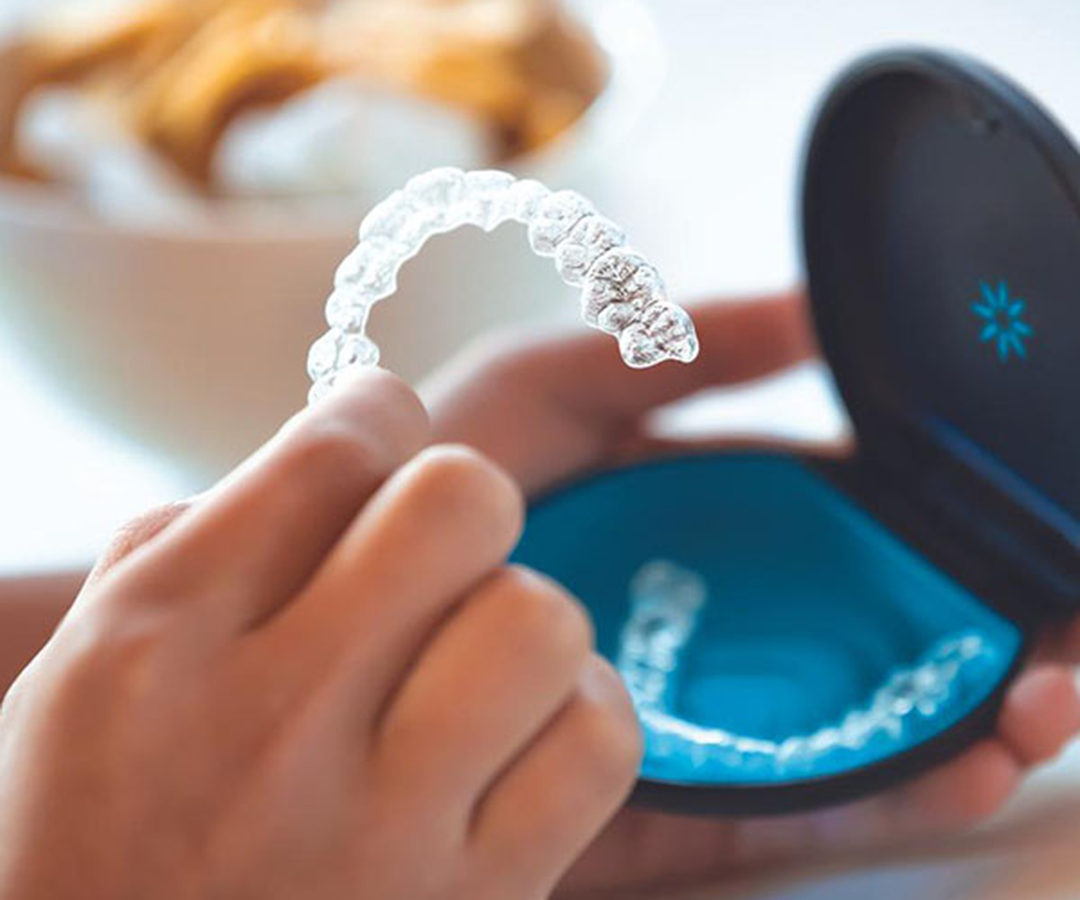
Generally speaking, clear aligners are usually made from a smooth, clear plastic that slips over your teeth5. The material should be durable and strong enough to move your teeth, but also comfortable enough to wear for hours at a time.

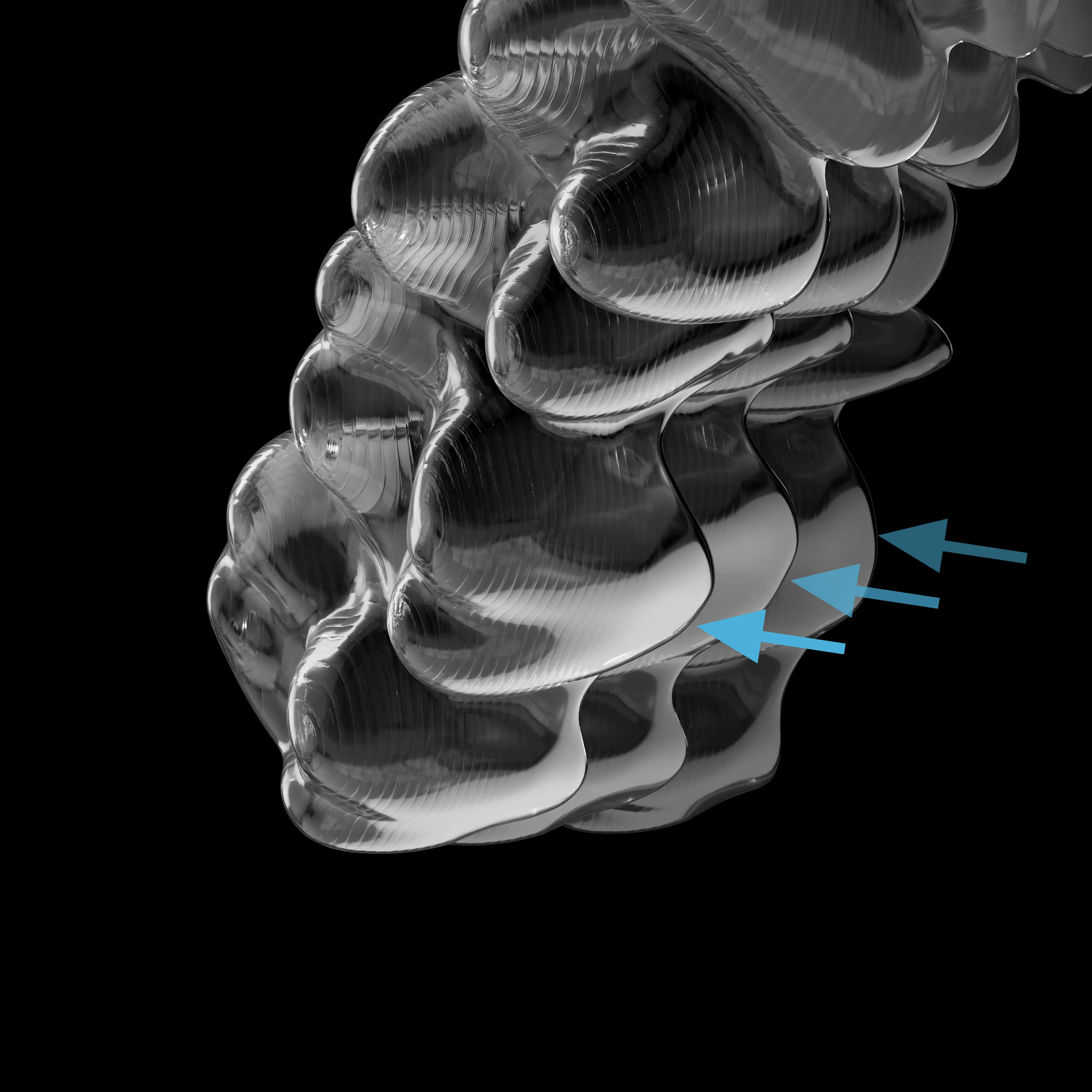
However, not all clear aligners are made equal, and so the quality of the plastics used varies from brand to brand. Invisalign clear aligners are made from their patented multi-layered SmartTrack™ material, which is specially engineered to move teeth safely and effectively, and is clinically proven to improve tooth movement with more predictability6 and more comfort7.

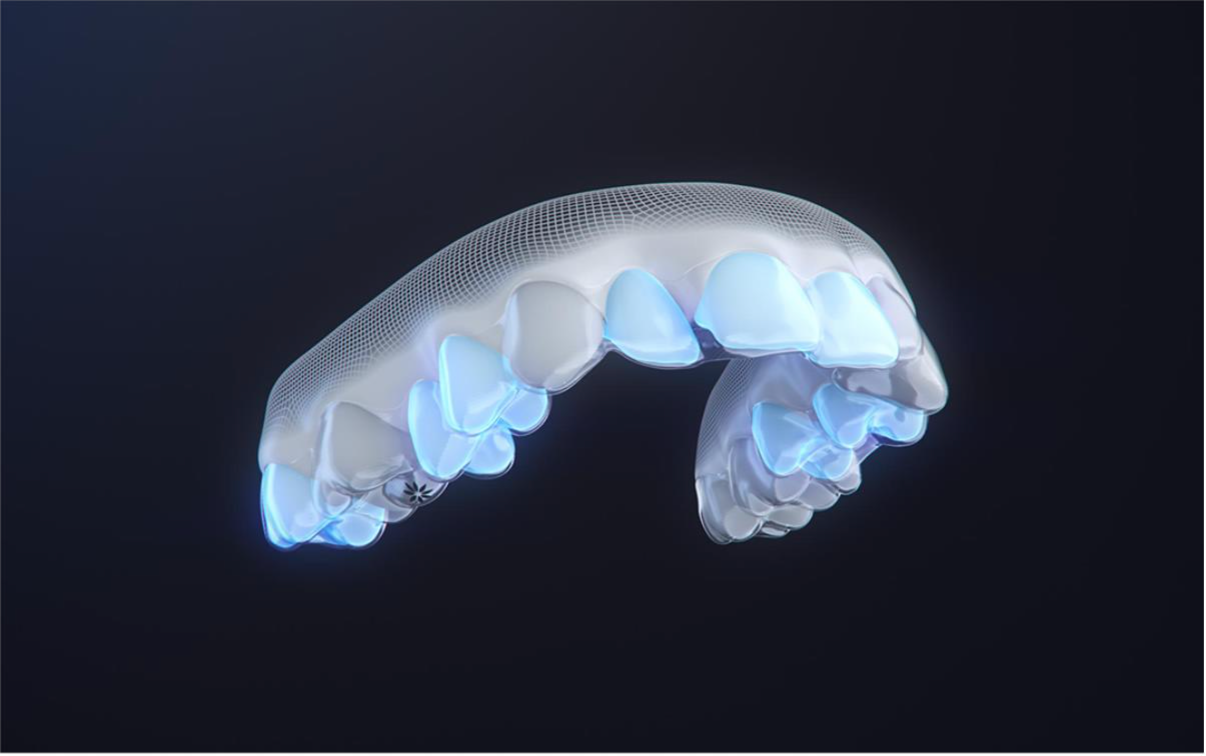
With Invisalign’s cutting edge system, it uses a treatment planning software designed to work in tandem with its proprietary SmartTrack™ material. This means each aligner is precisely calculated to apply the right amount of force to move teeth exactly where they need to go. The combination of advanced planning and SmartTrack™ material provides predictable results and comfort throughout treatment.

Invisalign clear aligners are also trimmed based on each patient’s gum line to provide optimal comfort and aesthetics8 — after all, we are moving teeth, not gums.

How Do Clear Aligners Work?

Clear aligners work by exerting pressure on your teeth to move them into the desired position2, similar to how the wires and brackets work with traditional metal braces. When it comes to Invisalign clear aligners, the SmartTrack™ materials allows for a constant gentle pressure to be applied: enough to move your teeth into the desired position, but gentle enough to ensure comfort. The trays are custom-made to fit your mouth, and subjected to your doctor’s instructions you might need to wear them for 22 hours per day to get the best results.

While it may vary from patient to patient, with Invisalign you will generally need to visit your dentist every six to eight weeks to track your progress and get new clear aligners. From there, you will wear each new aligner for one to two weeks before you move on to the next set. As you progress through the treatment, your teeth will slowly but surely move into the correct position.

How long do clear aligners take to work?

Every clear aligner brand will differ — this is because some clear aligners can only help with mild cases, so those treatments might be shorter. Brands like Invisalign can treat a wide range of smiles from mild to moderate to complex cases, so a mild case could be treated in as little as six months9 with the average treatment being 12 to 18 months^.

^Based on 2 weeks wear

How are clear aligners fitted to your teeth?

Each clear aligner brand will have a slightly different process for fitting their clear aligners. For brands that are at the lower discount end of the market, they may ask you to make your own impression at home with a putty kit or in their own clinics.

One of those more modern methods is using an intra oral scanner. Especially for Invisalign treatment^, one of the modern methods used is an intra oral scanner, a leading digital scanner from the makers of Invisalign clear aligners. At your first dentist appointment, your Invisalign dentist or orthodontist10 may use the intra oral scanner to create a "5D" image of your teeth and mouth.

This scan is then used to plan your clear aligner and treatment right down to the millimeter — it will show you the simulation of what your teeth might look like at each stage of your treatment, and even what your new smile might look like at the end of your Invisalign journey. And with the predictability6 that Invisalign’s SmartTrack™ material offers, the smile you see is the smile you will get at the end of treatment, and this is something not all clear aligners brand can offer.

^depends on availability of the iTero intra oral scanner at the clinic

How often will I see my dentist?

Some clear aligner brands rely on remote monitoring through an app instead of regular in-person dentist visits. This might sound tempting — after all, not many people have dentist visits at the top of their to-do lists. Some might also wish to look for the best of the two worlds: simple digital updates to track your tooth movement, combined with in-person consultations with your dentist, where doctor can thoroughly evaluate your progress, and answer any questions you may have.

Taking a step back though, it's super important to understand that teeth straightening is an actual medical procedure, and it will have life-long effects on your teeth, roots, jaw, gums, and oral health. Safely moving your teeth should involve careful planning, X-rays, and thorough understanding of your oral health — including the condition of your roots and gums.

For this reason, it's important that you can have in-person follow-ups with a qualified dentist or orthodontist. Your teeth and roots are delicate, so entrusting your orthodontic treatment to a qualified professional will always be the best course of action.

With Invisalign treatment, you get the best of both worlds. You will need to visit your dentist or orthodontist about once every six to eight weeks to monitor your progress and make sure that your treatment is on track. Most appointments can also be done virtually with Invisalign Virtual Care and Virtual Appointment tools, which allows doctors to virtually monitor your Invisalign treatment between in-office visits by reviewing photos that you submit through the My Invisalign app.

Do clear aligners work for all cases?

The answer to this question depends on the clear aligner brand you choose, as some systems will only work on mild cases and some only the front set of teeth. However, keep in mind, the movement of any teeth might affect your overall bite, even if someone has seemingly straight teeth.

On the other hand, Invisalign treatment can be used to treat a range of different cases — from very mild ones that need just a few adjustments, right through to complex cases that might require a lot of pre-restorative work such as extractions, jaw-adjustments etc.

If you're looking to get clear aligners, it's important that you consult with a qualified dentist or orthodontist to find out which system will best suit your needs.

How much do clear aligners cost?

The price of clear aligners can vary quite a bit, depending on the brand, and the severity of your case.

It's important to remember that a teeth straightening procedure is a long-term investment, and the price should be viewed in this light. Invisalign treatment for example can be a bigger upfront investment, but the results are proven from over 21 million patients who have used Invisalign treatment worldwide11, and you'll be getting expert care from qualified professionals every step of the way: before, during, and after treatment.

Choosing the right clear aligner system is an important decision that should be made with the help of a qualified dental professional. If you want to benefit from a teeth-straightening system that is tried, tested and trusted, backed by years of research, experience, and success, Invisalign treatment could be the right option for you.

The best way to find out how much your treatment will cost is to book a consultation with an orthodontist or dentist through our Find a Doctor page, and they will be able to give you a tailored quote.


Disclaimer: The information contained in this website are for educational and informational purposes only and does not constitute medical advice. It is not intended to be a substitute for medical advice, diagnosis or treatment. Please seek the advice of your health care provider with any questions you may have regarding any dental or medical-related condition and never disregard or delay seeking such advice because of something you have read on this website.

  1. Based on lower Plaque Index (PI), Probing Depth (PD), and Bleeding on Probing (BOP) of the upper right first molar and upper left central incisors at initial, 1 month and 3 months on 77 patients (age 16-30, 32 Invisalign treatment, 35 fixed appliances, 10 control) in Class I mild crowding cases. Levrini L, et al. Periodontal health status in patients treatet with the Invisalign® system and fixed orthodontic appliances: A 3 months clinical and microbiological evaluation. Eur J Dent 2015;9:404-10
  2. https://www.aaoinfo.org/blog/orthodontic-treatment-with-clear-aligners/
  3. Study sponsored by Align Technology and based on adult Class I, nonextraction, mild to moderate crowding cases with SmartTrack material. David W. White, Katie C. Julien, Helder Jacob, Phillip M. Campbell and Peter H. Buschang, Discomfort associated with Invisalign and traditional brackets: A randomized, prospective trial. The Angle Orthodontist Nov 2017, Vol. 87, No. 6 pp. 801-808
  4. https://aaoinfo.org/whats-trending/clear-aligner-therapy/
  5. https://www.webmd.com/oral-health/invisible-orthodontic-aligners#1
  6. Compared to Invisalign aligners previously made from single-layer (EX30) material.
  7. In a study by Miller et al, with adults measuring pain in the first week of treatment. Kevin Miller et al. “A comparison of treatment impacts between Invisalign aligner and fixed appliance therapy during the first week of treatment.” American Journal of Orthodontics and Dentofacial Orthopedics. Volume 131, Issue 3, pp. 302. e1-302.e9, March 2007.
  8. https://www.aaoinfo.org/blog/why-do-straight-teeth-matter/
  9. *Based on mild to moderate malocclusion (defined as crowding and spacing up to 6mm, and overjet and overbite up to 6mm and assuming one week wear), treatment times vary depending on invisalign product type, wear time, case complexity and must be determined by your doctor. Data on file at Align Technology, as of September 9, 2020
  10. The availability of the iTero scanner is dependent on your Invisalign provider
  11. Data on file at Align Technology, as of September 30, 2025.