Am I Too Old for Braces? Can My Teeth Still Be Straightened?

Is there really an age limit when it comes to straightening your teeth? Will you ever too old—or too young—to achieve a smile you love? Whether you’re considering traditional braces or more modern treatments like clear aligners, it’s common to wonder if teeth straightening is still an option as an adult. The good news is, teeth can be moved and aligned at almost any age, as long as your gums and bone structure are healthy.

Rise in orthodontic treatment amongst adults in Singapore

In fact, a report by Channel News Asia (CNA) highlights that orthodontists in Singapore have reported a growing number of adults, particularly those in their 20s to 30s and even some in their 60s, seeking orthodontic treatment1.

The rise in trend was thought to be tied to significant milestones in life, such as getting married, preparing for job interviews or simply wanting to enhance their smiles for greater confidence. Many of these adults are also choosing to address long-standing dental issues now that they are in a stronger financial position to invest in a better smile, which some could not afford braces in their youths.
Benefits of orthodontic treatment for adults

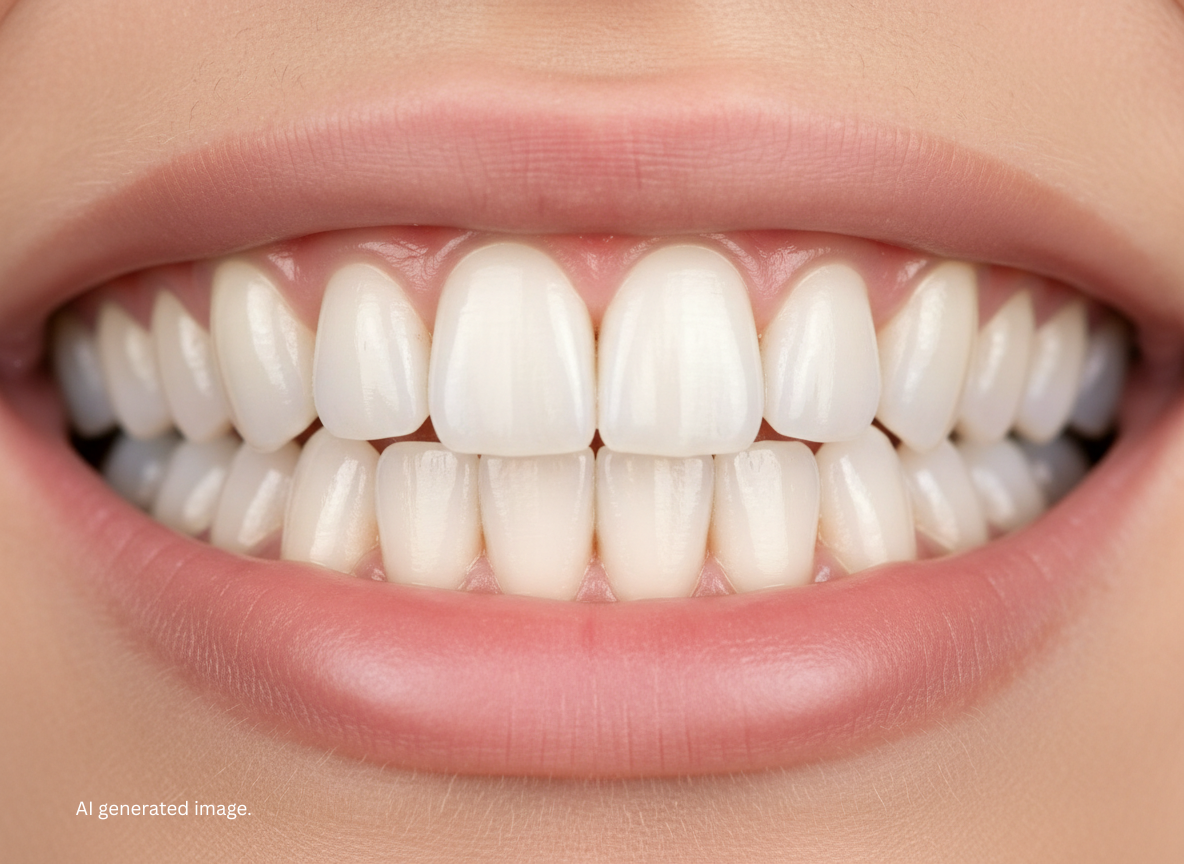
Credits: AI Image generated with Adobe Firefly
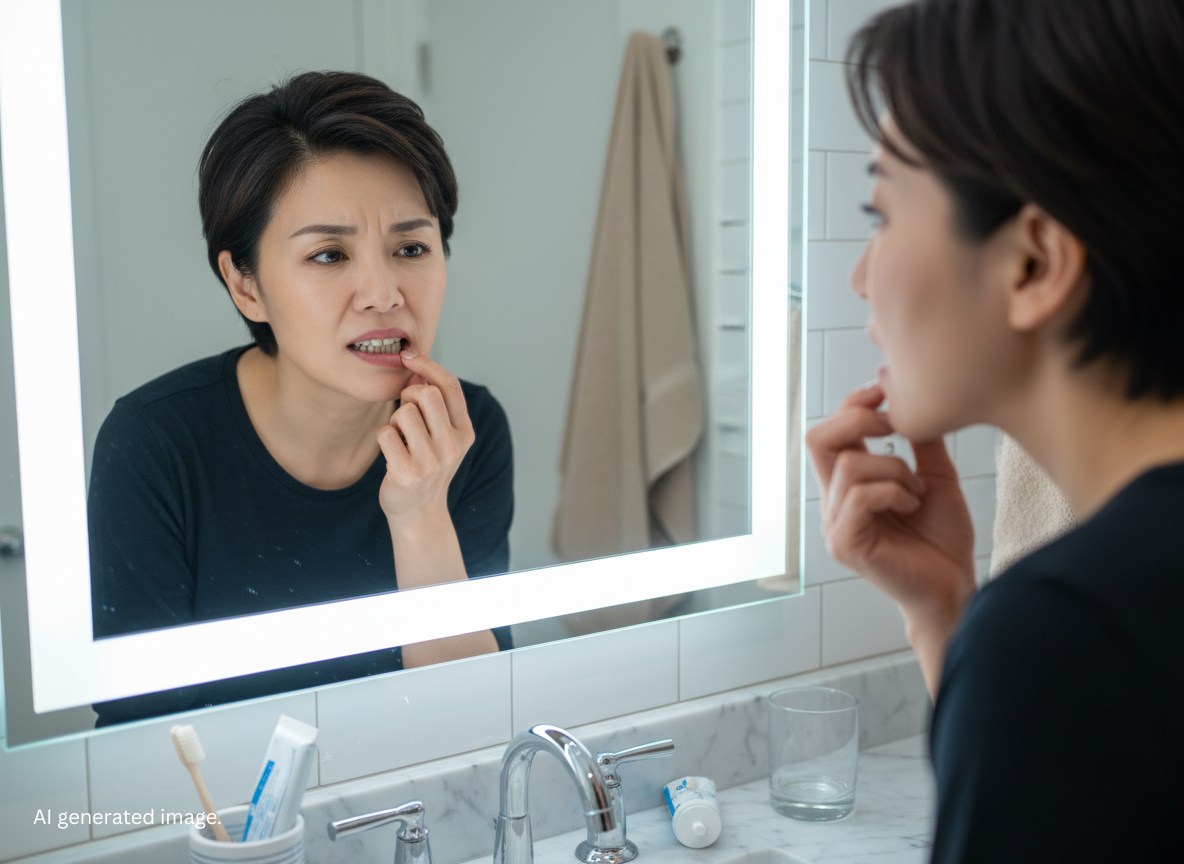
Orthodontic treatment in the recent years is viewed as a cosmetic treatment. Correcting misaligned teeth is not just about appearance, straighter teeth are often easier to clean and maintain, reducing risk of dental caries, gum diseases and wearing down of the enamel that can lead to sensitivity. Apart from boosting self-confidence, it can also improve your bite.

Types of Orthodontic Treatment

With constant innovations in the dental science, adults today have far more options when it comes to straightening their teeth.

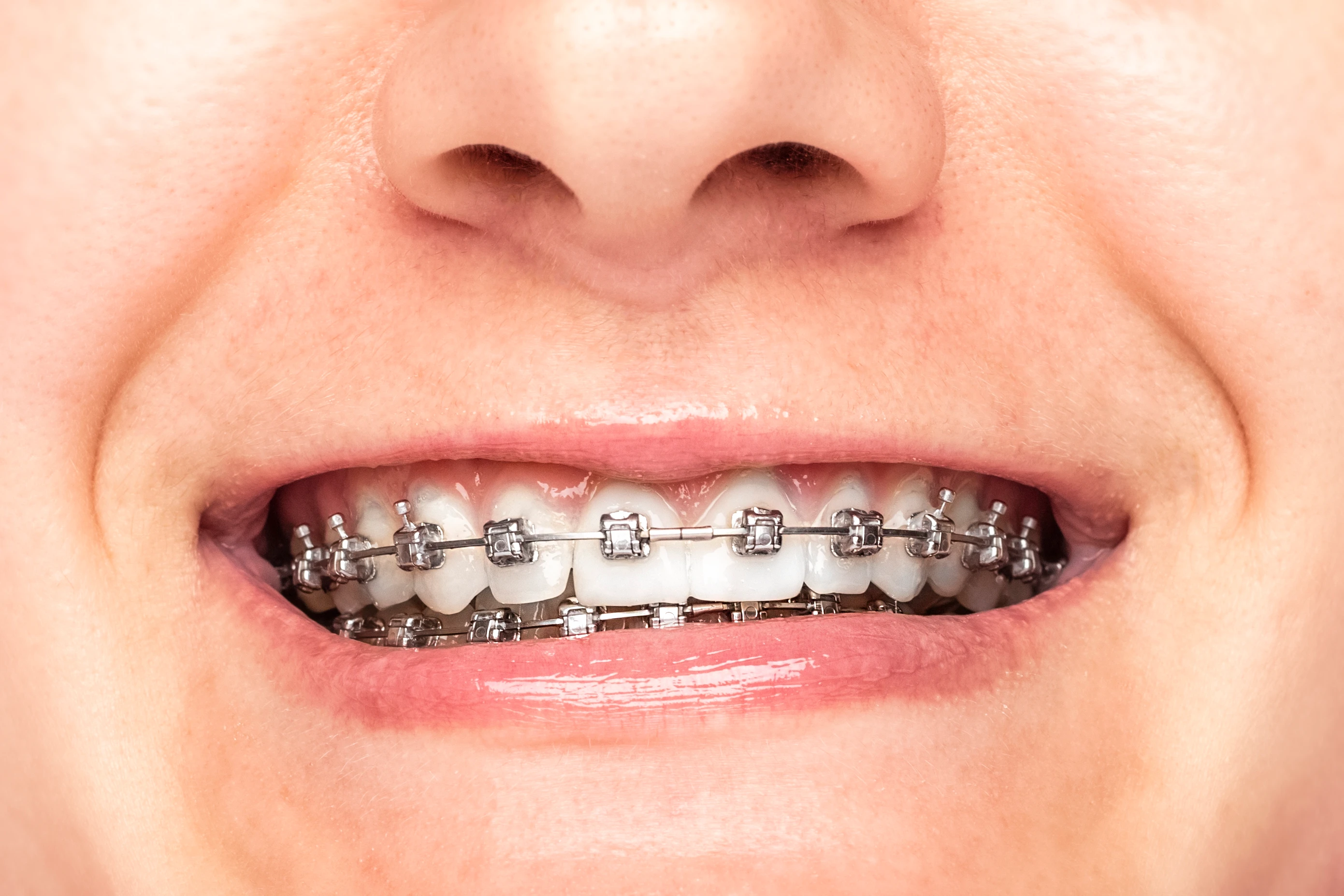
Metal braces were the most traditional yet well-established type of braces and are made with stainless steel wires and brackets bonded to the teeth to shift teeth into their correct position.

Adjusting braces usually involves tightening or changing the springs, wires, or elastic bands2 to increase the "squeeze" needed to straighten your teeth. During these adjustments, you may also choose to change your braces' colour by choosing different coloured elastic bands.

Other popular types of traditional braces include:

  • Ceramic braces: These are made from a clear or tooth-coloured material, making them less visible than metal braces.

  • Lingual braces: These are similar to metal braces but are bonded to the back of the teeth, making them even less visible.

Yet, if you are not a fan of the cleaning challenges or dietary restrictions that comes with the bulky and traditional metal braces then clear aligners might be the option for you.

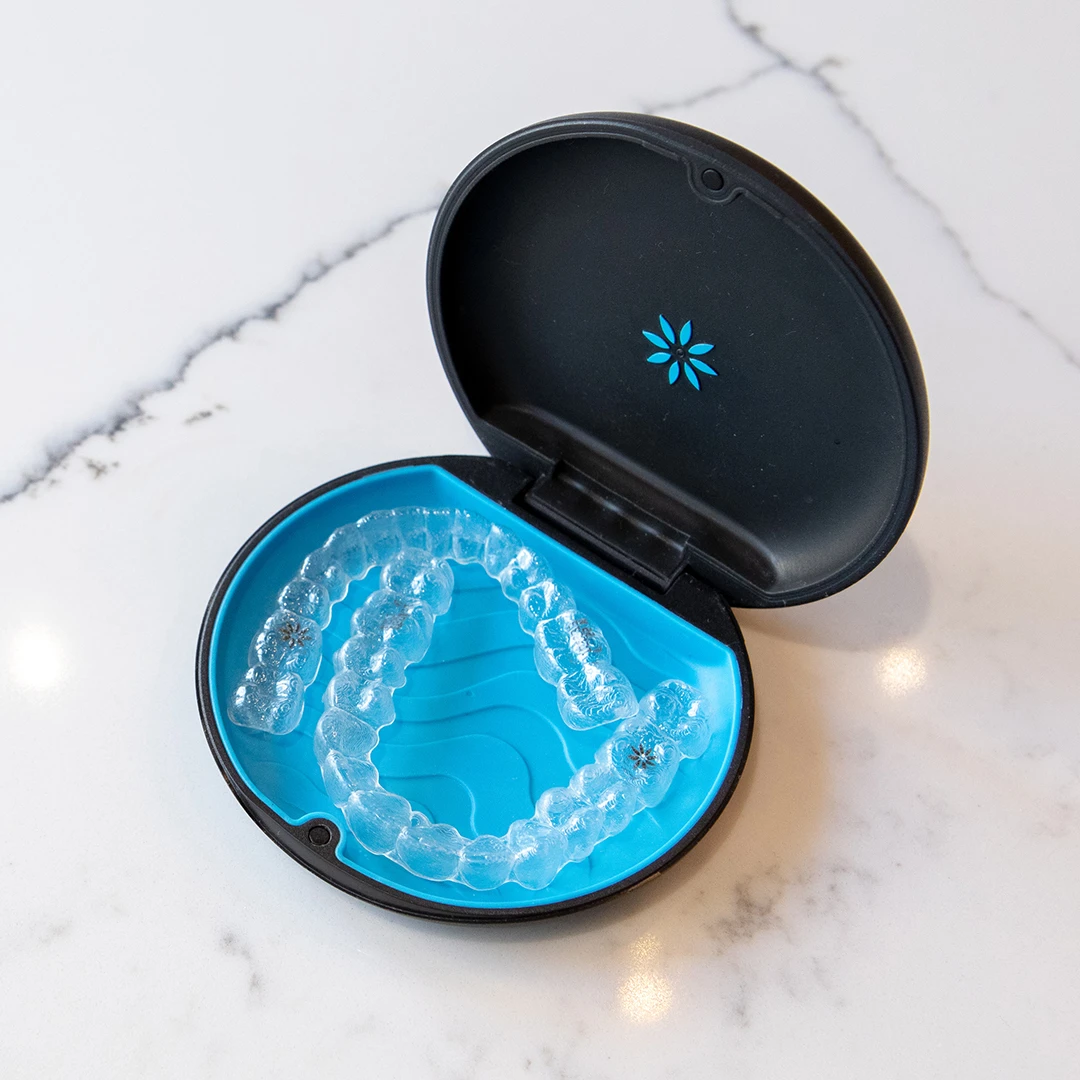
Clear aligners (also known as invisible braces) have become a popular modern alternative to traditional braces that is reshaping the orthodontic industry. Clear aligners are basically plastic trays customised to fit your teeth to shift teeth into place gradually and can be easily removed for eating, brushing, and flossing.

They are especially convenient choice for adults concerned about aesthetics, comfort, and maintaining good oral hygiene — or for those in client-facing or professional roles who prefer a discreet, polished look throughout their treatment journey.

Click here for a more comprehensive guide to clear aligners.

Making informed decisions about your orthodontics

However, if you are considering clear aligners as part of your orthodontic treatment, one should be clear that not all clear aligners are made equal and some may not deliver the end results as planned. Clear aligners are generally sorted into two categories, direct-to-consumer and doctor-directed.

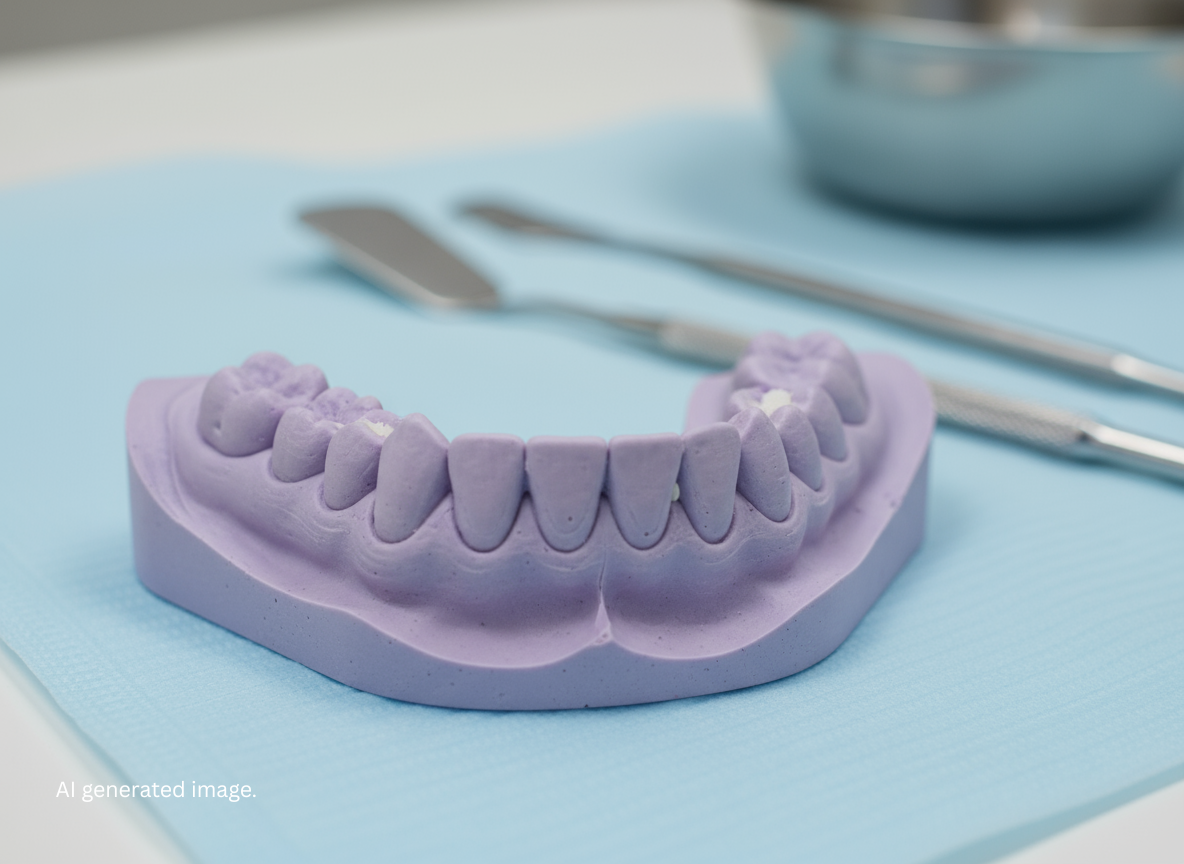
Direct-to-consumer clear aligners offer teeth straightening solution from the comfort of home without the need for in-person dental visits. While it may be more affordable, these mail-to order aligners typically rely on patients to do self-impressions of their teeth and mail it back to the company to print their aligners and the treatment is monitored remotely via the App. However, it can pose risk to your dental health, as underlying dental or gum issues may be missed.

Afterall, there are many factors to consider before starting orthodontic treatment. According to the Association of Orthodontics (Singapore), growth status, gum health, presence of tooth decay and available bone support of the teeth are just some, amongst the many factors that should be considered before starting treatment.

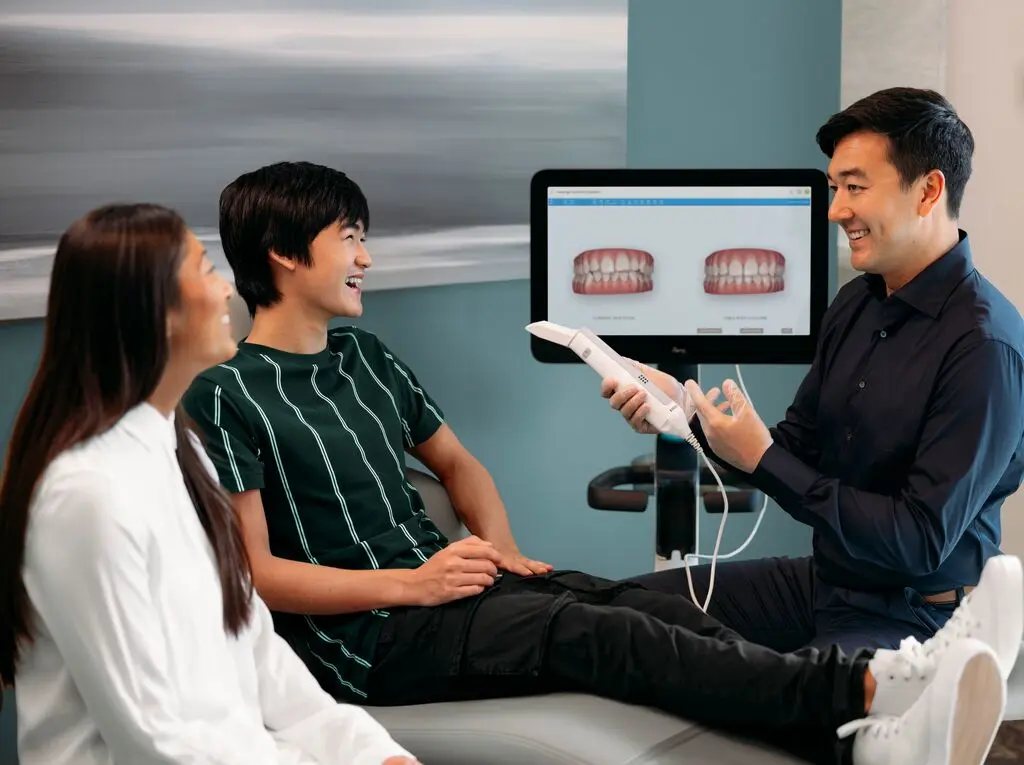
Doctor-directed clear aligners, such as Invisalign, requires an initial in-person consultation performed in the clinic where the dentist asses your dental health to decide if you are suitable for clear aligner treatment. For most clinics in Singapore offering Invisalign^, an intraoral scan is often done which can provide a mock up of the teeth condition which allows the doctor to plan treatment, showing the patients how their smile will look like at the end of treatment and assess dental health condition such as identifying gum problems, cavities etc.

The patients are then prescribed the fabricated aligners and will wear these aligners for 20-22 hours per day until treatment completion and then the routine of wearing retainers sets in. In cases where the aligners do not fit, the patients would have to reach out to their dentist for refinements are to be made. At the end of your clear aligner journey, you will also be prescribed retainers to be worn as your teeth may shift after the treatment.

For more information on clear aligners, check out our comprehensive guide to clear aligners here .
^depends on availability of the iTero intra oral scanner at the clinic

Invisalign aligners can treat a wide range of smile for both adults and kids

Whether you are a kid as young as 6 with mixed dentition, a teenager or adult who wants to avoid bulky metal braces and achieve straighter teeth from simple to complex malocclusion, Invisalign treatment can help you find your ideal smile.

To find out more about Invisalign treatment and whether it is the right treatment for you, book a consultation with an Invisalign-trained doctor today. They will be able to assess your individual needs and give you more information about the treatment process. If you’d like to find an Invisalign doctor near you, check out Invisalign’s Find a Doctor tool.

No matter your age, it will never be too late to invest in your smile. Beyond aesthetics, properly aligned teeth can improve both your oral health and your self-confidence. Regardless of the type of braces you pick for your treatment, what would matter is finding the right treatment for your situation. If you are considering orthodontic treatment, schedule a consultation with our qualified practitioners so they can advise you on the best solution for your smile goals!

Ready to begin your orthodontic journey but not sure where to start? Our Smile Concierge team is here to guide you every step of the way, or you can connect directly with an Invisalign-trained provider to get started.

1https://www.ndcs.com.sg/news/patient-care/more-adults-in-singapore-are-opting-for-braces

2https://www.healthline.com/health/do-braces-hurt#tightening


Disclaimer: The information contained in this website are for educational and informational purposes only and does not constitute medical advice. It is not intended to be a substitute for medical advice, diagnosis or treatment. Please seek the advice of your health care provider with any questions you may have regarding any dental or medical-related condition and never disregard or delay seeking such advice because of something you have read on this website.

  1. https://www.ndcs.com.sg/news/patient-care/more-adults-in-singapore-are-opting-for-braces
  2. https://www.healthline.com/health/do-braces-hurt#tightening